AI-DataX 2026 - Artificial Intelligence, Data Science & Emerging Technologies November 19–20, 2026 | Tokyo, Japan
Conference Theme: Smart Systems & Intelligent Transformation: The Next Wave of AI and Data Science
About AI-DataX 2026
AI-DataX 2026 is a premier international conference bringing together leading researchers, industry innovators, data scientists, AI engineers, policymakers, and technology entrepreneurs to explore the rapidly evolving landscape of Artificial Intelligence, Data Science, and Emerging Technologies.
This global forum will serve as a dynamic platform for knowledge exchange, collaboration, and forward-thinking discussions on how intelligent systems are transforming industries, economies, and societies.
As AI continues to redefine automation, decision-making, healthcare, infrastructure, finance, and digital ecosystems, AI-DataX 2026 aims to highlight cutting-edge research, practical implementations, and future-ready solutions that drive intelligent transformation worldwide.
Conference Theme Overview
Smart Systems & Intelligent Transformation: The Next Wave of AI and Data Science
The 2026 theme emphasizes the shift from isolated AI applications to fully integrated smart systems powered by advanced analytics, machine learning, and adaptive intelligence.
The conference will explore:
Next-generation AI architectures
Autonomous and self-learning systems
AI-driven infrastructure and smart ecosystems
Responsible and ethical AI frameworks
Human-AI collaboration
Data-driven digital transformation strategies
The focus is on how AI and data science are not just tools, but foundational technologies shaping the next wave of intelligent transformation.
Key Focus Areas
Artificial Intelligence & Machine Learning
Data Science & Advanced Analytics
Emerging & Disruptive Technologies
Smart Applications & Industry 5.0
Intelligent Systems & Smart Technologies
AI in Healthcare & Life Sciences
Sustainability & Green AI
Why Attend AI-DataX 2026?
Gain insights from internationally recognized AI and data science experts
Present your latest research to a global audience
Discover emerging trends shaping the future of intelligent systems
Connect with academia, industry leaders, and technology innovators
Explore collaboration, funding, and commercialization opportunities
Enhance professional visibility and career growth
AI-DataX 2026 offers a unique platform to stay ahead in the rapidly evolving AI ecosystem.
Conference Highlights
Plenary & Keynote Sessions by global thought leaders
Technical Paper & Poster Presentations
Industry Case Studies & Real-World Applications
Panel Discussions on AI Ethics & Governance
Hands-on Workshops & Technical Tutorials
Startup & Innovation Showcase
Best Paper & Young Researcher Awards
Networking Sessions & Business Meetups
Important Dates
Abstract Submission Deadline: TBD
Early Bird Registration: TBD
Final Paper Submission: TBD
Conference Dates: November 19–20, 2026
Abstract Submission Guidelines
Abstracts must be submitted online through the conference portal.
Word Limit: 250–300 words
Format: Include title, authors, affiliation, email address, and 3–5 keywords
Notification of Acceptance: Within 10 working days after submission
All registered participants of Scientific Research Conferences 2026 will receive a Certificate of Attendance accredited with 10 CPD Credits
Registration Fee & Cancellation Policy: Upon confirmation of your participation, the registration fee is due to secure your slot. Please note that all payments are final and non-refundable. However, should you be unable to attend in person, you may transfer your registration to a colleague at no additional cost, or convert your participation to a virtual format to present remotely. Alternatively, your fee can be applied toward the publication of your article in the conference proceedings and associated journals, or held as a credit to be used for any of our future upcoming events.
Publication Opportunities
All accepted abstracts and full papers will be published in the Conference Proceedings. Selected high-quality papers will be recommended for publication in indexed international journals.
Venue – Tokyo, Japan
Tokyo, the capital of Japan, stands as one of the world’s foremost centers for technological advancement, research excellence, and digital innovation—making it a fitting venue for AI-DataX 2026. Globally recognized for its leadership in robotics, artificial intelligence, smart infrastructure, and advanced manufacturing, Tokyo offers an inspiring environment where tradition meets cutting-edge technology.
The city is home to leading multinational corporations such as Sony, SoftBank, Fujitsu, and Hitachi, along with a vibrant startup ecosystem and world-class research institutions. With its modern conference facilities, highly efficient public transportation system, exceptional safety standards, and global connectivity, Tokyo ensures a seamless and enriching experience for international delegates.
Beyond its technological landscape, Tokyo offers a unique cultural experience—from historic temples and serene gardens to futuristic districts and innovative architecture—providing attendees with both professional inspiration and cultural immersion during their visit.
Join the Intelligent Transformation
AI-DataX 2026 is more than a conference — it is a global forum to shape the future of intelligent systems. Whether you are developing next-generation algorithms, deploying AI solutions in industry, or shaping digital policy, this event will connect you with the people and ideas driving the next wave of AI and data science innovation.
We invite you to be part of this transformative journey in Tokyo.
Conference sessions
Browse the current session list for AI-DataX 2026 - Artificial Intelligence, Data Science & Emerging Technologies.
Cyber-Physical Systems and Digital Twins
This session explores the integration of computational intelligence with physical processes through cyber-physical systems and digital twin technologies. It covers real-time data synchronization, simulation modeling, predictive analytics, and system optimization. The session highlights applications in smart manufacturing, infrastructure monitoring, energy systems, healthcare, and smart cities, emphasizing improved efficiency, reliability, and decision-making through virtual–physical convergence.
Future Trends in Artificial Intelligence and Data Science
This session explores emerging trends shaping the future of AI and data science, including generative AI, autonomous systems, federated learning, explainable AI, and advanced analytics. It highlights evolving research directions, industry innovations, and ethical considerations that will drive next-generation intelligent systems and data-driven transformation across global sectors.
Human - AI Collaboration and Augmented Intelligence
This session explores the synergy between humans and AI systems to enhance decision-making, creativity, and productivity. It covers augmented intelligence frameworks, human-centered AI design, explainable systems, and collaborative workflows across sectors such as healthcare, education, finance, and enterprise operations. The session highlights how AI can complement human expertise while ensuring trust, transparency, and ethical deployment.
Quantum Computing and Emerging AI Technologies
This session explores the convergence of quantum computing and next-generation AI technologies. It covers quantum algorithms, quantum machine learning, hybrid classical–quantum models, and emerging computational paradigms that have the potential to accelerate complex problem-solving. The session highlights innovative research, practical challenges, and future opportunities in areas such as cryptography, optimization, drug discovery, and advanced data analytics.
Industry 4.0 and Intelligent Manufacturing
This session explores the integration of AI, automation, IoT, and advanced data analytics in modern manufacturing systems. It covers smart factories, digital twins, predictive maintenance, robotics, cyber-physical systems, and real-time process optimization. The session highlights how intelligent technologies enhance productivity, quality control, operational efficiency, and supply chain resilience in the era of Industry 4.0.
AI in Finance and FinTech
This session explores the transformative role of artificial intelligence in finance and financial technologies. It covers AI-driven applications such as algorithmic trading, fraud detection, credit risk assessment, robo-advisory services, blockchain analytics, and personalized banking solutions. The session highlights how machine learning, predictive analytics, and automation enhance decision-making, security, efficiency, and customer experience across the financial ecosystem.
AI for Smart Cities and Urban Development
This session explores the application of artificial intelligence in building smarter, more sustainable, and resilient urban environments. It covers AI-driven solutions for intelligent transportation systems, energy management, waste optimization, public safety, infrastructure monitoring, and urban planning. The session highlights how data analytics, IoT integration, and predictive modeling enhance efficiency, sustainability, and quality of life in modern cities.
Edge AI and Internet of Things
This session explores the integration of Edge AI with the Internet of Things (IoT), enabling real-time data processing and intelligent decision-making at the device level. It covers edge computing architectures, low-latency analytics, embedded AI models, security considerations, and scalable IoT ecosystems, highlighting applications in smart cities, healthcare, industrial automation, and connected devices.
Robotics and Autonomous Technologies
This session focuses on the design, development, and deployment of robotics and autonomous systems. It covers intelligent control, computer vision, sensor integration, motion planning, and human–robot interaction, highlighting applications in industrial automation, healthcare, transportation, drones, and smart environments.
Intelligent Automation and Smart Systems
This session explores the integration of AI-driven automation with smart systems to enhance efficiency, adaptability, and decision-making. It covers intelligent process automation, robotics, IoT-enabled systems, and autonomous technologies, highlighting real-world applications in manufacturing, healthcare, smart cities, and enterprise operations.
Data Mining and Knowledge Discovery
This session focuses on techniques and methodologies for extracting meaningful patterns, trends, and insights from large datasets. It covers key concepts such as classification, clustering, association rules, anomaly detection, and predictive modeling, highlighting their applications in business intelligence, healthcare, finance, and scientific research.
Big Data Analytics and Engineering
This session explores the principles and technologies behind big data analytics and engineering, including large-scale data processing, distributed computing, data pipelines, and cloud-based architectures. It highlights tools and techniques for managing, analyzing, and extracting insights from high-volume, high-velocity data to support data-driven decision-making across industries.
Generative AI and Large Language Models
This session highlights the fundamentals and recent advancements in generative AI and large language models, including transformer architectures, fine-tuning methods, and prompt engineering. It explores real-world applications in content generation, conversational AI, and automation, along with key considerations for responsible and ethical deployment.
Deep Learning and Neural Networks
This session focuses on the principles and advancements in deep learning and neural network architectures, including CNNs, RNNs, and transformers. It highlights model design, training strategies, optimization techniques, and real-world applications in areas such as computer vision, natural language processing, and intelligent automation.
Advanced Machine Learning Techniques
This session explores advanced machine learning methods, including deep learning, reinforcement learning, transfer learning, and ensemble techniques. It highlights innovative algorithms, optimization strategies, and real-world applications, providing insights into building scalable and high-performance intelligent systems.
Artificial Intelligence - Foundations and Innovations
This session covers the core foundations of Artificial Intelligence, including machine learning, deep learning, neural networks, NLP, and computer vision. It also highlights emerging innovations such as generative AI and explainable AI, showcasing how intelligent systems are transforming industries and shaping the future of technology.
Submit your abstract
Mail your abstract to aidatax@srcmeetings.com or submit it online using the form below.
Registration details
Registration windows, pricing categories, and key dates for this conference.
Select the active registration option to continue to the registration progress page.
Featured speakers
Keynote, session, and delegate speakers currently associated with this conference.

Riki Riki
Session SpeakerData-driven Intelligent Transportation Systems, Internet of Things (IoT), Big Data Integration, Mobility Analytics, Smart City Development

Kelvin Joseph Bwalya
Session SpeakerE-Government, Digital Governance, Information Systems, Information Management, Artificial Intelligence, Data Analytics

Noraayu Ahmad Uzir
Session SpeakerLearning Analytics, Educational Data Mining, Machine Learning in Education, Information System Management, Content Management Systems
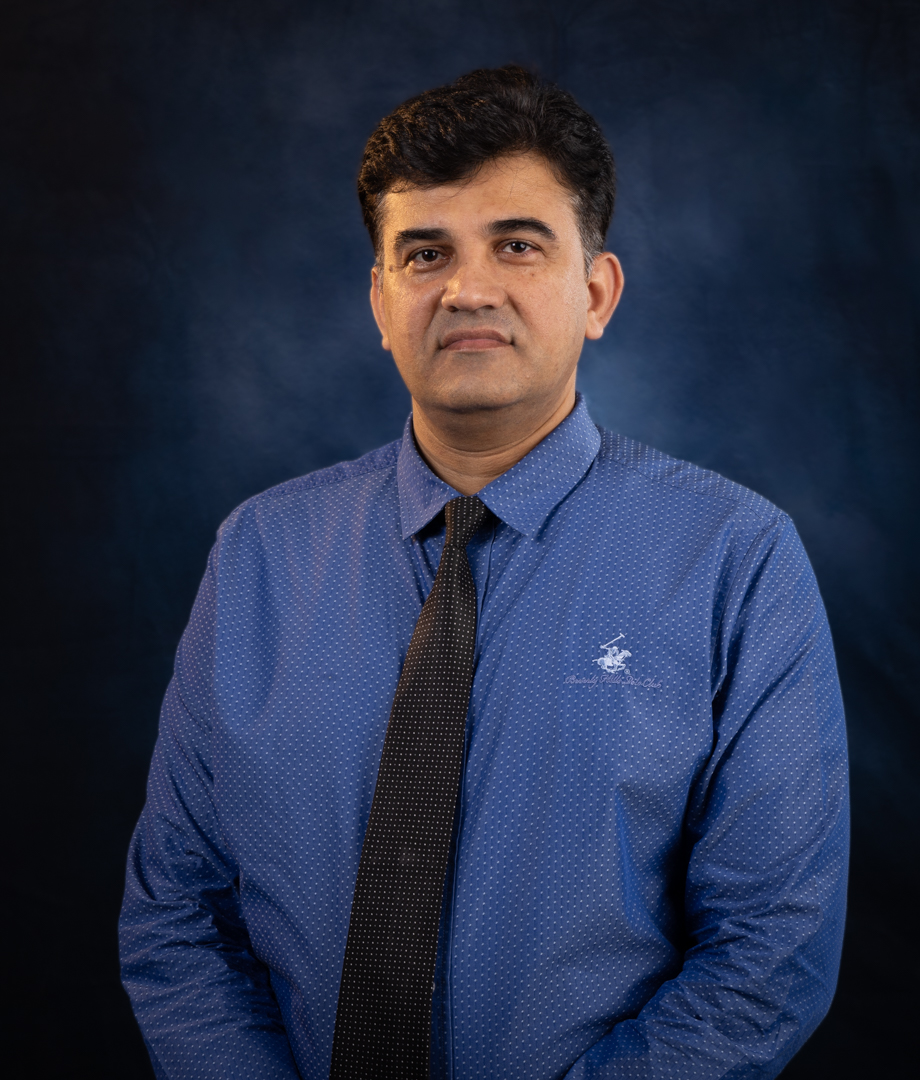
Mueen Uddin
Keynote SpeakerCybersecurity, Data Security, Cloud and Edge Computing Security, Internet of Things (IoT), Cyber-Physical Systems Security, Web 3.0 Technologies, Metaverse
Organizing committee members
Conference leadership and organizing contacts currently available in the system.
Ashraf Darwish
OCMCybersecurity, Data Security, Cloud and Edge Computing Security, Internet of Things (IoT), Cyber-Physical Systems Security, Web 3.0 Technologies, Metaverse
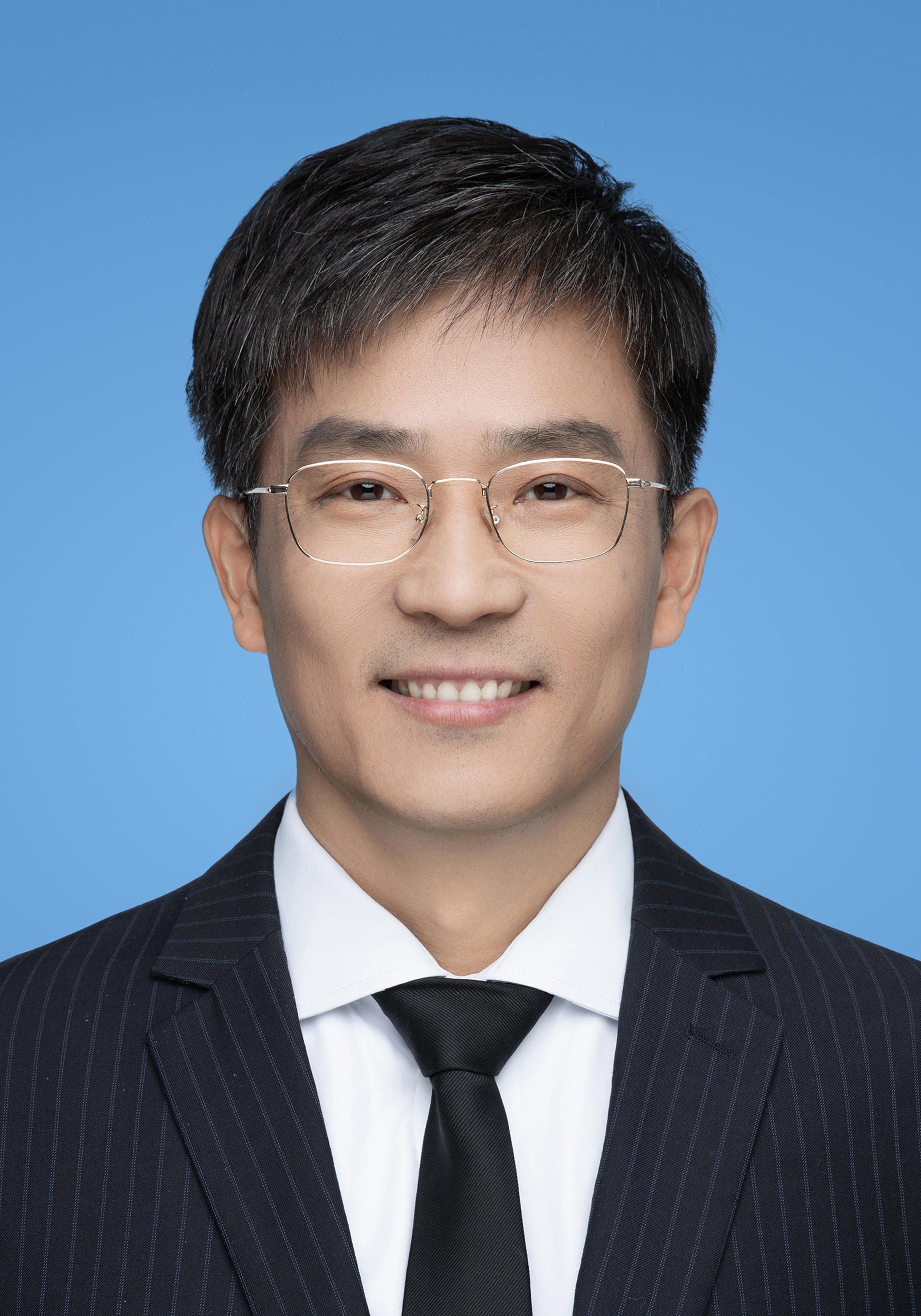
Xinchao Zhao
OCMCybersecurity, Data Security, Cloud and Edge Computing Security, Internet of Things (IoT), Cyber-Physical Systems Security, Web 3.0 Technologies, Metaverse

Margherita Mori
OCMCybersecurity, Data Security, Cloud and Edge Computing Security, Internet of Things (IoT), Cyber-Physical Systems Security, Web 3.0 Technologies, Metaverse
BioIntelli 2025: Converging AI, Bioinformatics, Computational Biology and Engineering Venue
Nearby attractions will be added soon.
AI-DataX 2026 - Artificial Intelligence, Data Science & Emerging Technologies
contact@srcmeetings.com
For registration, abstract submission, speaker participation, or venue coordination, email our support team or submit your query through the online contact form.