International Conference on Public Health, Preventive Medicine & Infectious Diseases 2026
22-23 Jul, 2026 | Bangkok, Thailand
Theme: “Strengthening Global Preparedness: Innovations in Public Health, Prevention, and Infectious Disease Control”
“All registered participants of Scientific Research Conferences 2026 will receive a Certificate of Attendance accredited with 10 CPD Credits”
Welcome to one of the most influential global platforms bringing together public health leaders, epidemiologists, clinicians, researchers, academicians, policymakers, and healthcare innovators to shape the future of prevention and health security.
This conference is meticulously designed to empower professionals with cutting-edge knowledge, global networking, high-impact research insights, and new strategies to combat emerging health threats across the world.
About the Conference
The International Conference on Public Health, Preventive Medicine & Infectious Diseases 2026 serves as a premier global event uniting multidisciplinary experts dedicated to improving population health and strengthening health systems.
As infectious diseases continue to evolve and global health challenges become more complex—from pandemics and antimicrobial resistance to non-communicable disease burdens—our conference aims to bridge scientific knowledge, innovative technologies, and real-world application.
Participants will engage with transformative ideas, actionable insights, evidence-based practices, and international collaborations that drive meaningful impact in public health outcomes.
Conference Objectives, Aim & Scope
Objectives
- - Promote global dialogue on infectious diseases, surveillance systems, and outbreak preparedness.
- - Showcase modern advances in preventive medicine and digital health solutions.
- - Facilitate intersectoral collaboration across healthcare, academia, biotechnology, NGOs & government bodies.
- - Empower healthcare professionals with latest tools, discoveries, policies & best-practice guidelines.
- - Provide a high-impact platform for researchers to present findings, publish papers, and expand their academic footprint.
Aim
To build a future-ready global public health ecosystem by integrating innovation, prevention, policy, research, and community health.
Scope
The conference covers a broad spectrum across:
- - Public Health Systems & Global Health
- - Infectious Diseases & Epidemiology
- - Preventive Medicine & Primary Care
- - Outbreak Intelligence, Surveillance & Preparedness
- - Environmental & Occupational Health
- - Digital Health, AI in Medicine & Health Analytics
- - Vaccines, Immunology & Translational Research
- - Non-communicable Disease Prevention
- - Community Health, Health Equity & Policy Development
Registration & Important Deadlines
Early Bird Registration: Open Now
Regular Registration Deadline: To Be Announced
Abstract Submission Deadline: Accepting Now
Full Paper Submission: SCOPUS-Indexed Journals (optional)
Acceptance Notification: Within 5–7 days of submission
Virtual & In-Person Registration Options Available
Limited-Seat Keynote Sessions
Main Focus Areas
- - Infectious Disease Dynamics & Pandemic Preparedness
- - Vaccine Innovation, Immunology & Public Health Impact
- - Emergency Response, Risk Communication & Global Health Security
- - Digital Epidemiology, AI-Driven Disease Modelling
- - Preventive Medicine Protocols & Lifestyle Medicine
- - Maternal & Child Health, Primary Care, Community Health
- - AMR, HIV, TB, Viral, Bacterial & Parasitic Diseases
- - Environmental & Occupational Health Threats
- - Health Policy, Governance & Sustainable Health Systems
- - Mental Health Epidemiology & Post-Pandemic Implications
Additional Features of This Conference
- - Hybrid Format: Attend either in-person or virtually
- - SCOPUS Publication Opportunities
- - Interactive Panel Discussions & Roundtables
- - Live Q&A with Global Health Experts
- - Hands-On Technical Workshops
- - Digital Certificate for All Participants
- - Networking Lounge & Collaboration Spaces
- - Exclusive Speaker Recognition Awards
Who Should Attend?
This conference welcomes global attendees from:
- - Public Health & Preventive Medicine
- - Epidemiology & Infectious Diseases
- - Clinical Medicine & Primary Healthcare
- - Microbiology, Immunology & Biotechnology
- - Environmental & Occupational Health
- - Pharmaceutical Sciences & Drug Research
- - Healthcare Administration & Policy
- - NGOs, Government Agencies & Health Ministries
- - Students, Postdocs & Emerging Researchers
Call for Papers
We invite high-quality research papers, case studies, reviews, and innovative ideas across all areas of Public Health, Preventive Medicine, and Infectious Diseases. Accepted Papers May Be Published in SCOPUS Indexed Journals (optional upon peer review).
Topics include but are not limited to:
- - Disease Surveillance & Epidemiological Modelling
- - Vaccine Research & Public Health Immunization
- - Outbreak Management & Emergency Response
- - Preventive Care Models & Health Promotion
- - Diagnostic Innovations & AI in Healthcare
- - Community Medicine & Global Health Initiatives
Submit your paper today and elevate your academic impact on an international stage.
SCOPUS Indexing of Full-Length Articles
Full-length articles presented at the conference may be eligible for publication in SCOPUS indexed journals, following editorial evaluation and peer review.
Benefits include:
- - International academic recognition
- - Citation and indexing visibility
- - Fast-track review options for selected conference papers
Key Benefits for Participants
For All Attendees
- - Gain exposure to global health trends, research, and solutions.
- - Connect directly with clinicians, researchers, policymakers, and innovators.
- - Receive conference proceedings, certificates & exclusive materials.
For Keynote Speakers
- - Premium recognition across all digital platforms
- - Priority scheduling and spotlight sessions
- - International visibility and leadership positioning
For Regular Speakers
- - Dedicated presentation slot
- - Opportunity to publish work in SCOPUS-indexed journals
- - Access to speaker-exclusive networking sessions
For Students & Young Researchers
- - Best Paper & Best Presentation Awards
- - Mentoring sessions with senior researchers
- - Reduced Registration Fees
- - Ideal platform to build scientific credibility
Honorarium, Accommodation & Travel
- - Honorarium: Provided only to selected keynote speakers (based on conference committee decision).
- - Accommodation: Support provided for selected speakers upon request (subject to availability).
- - Travel: Participants manage their own travel; however, documentation support (invitation letters, visa letters, receipts) will be provided as needed.
Registration Fee & Cancellation Policy
Upon confirmation of your participation, the registration fee is due to secure your slot. Please note that all payments are final and non-refundable. However, should you be unable to attend in person, you may transfer your registration to a colleague at no additional cost, or convert your participation to a virtual format to present remotely. Alternatively, your fee can be applied toward the publication of your article in the conference proceedings and associated journals, or held as a credit to be used for any of our future upcoming events
Contact Us
For registrations, submissions, or inquiries:
Email: info@publichealth-conference.org
Support Team: Available 24/7
Website: www.publichealthconference2026.org
Important Note
This conference is organized independently, without sponsorship or external financial support.
Registration fees are used exclusively to cover:
- - Venue arrangements
- - Lunch, snacks & refreshments
- - Technical sessions & AV equipment
- - Certificates & proceedings
- - Administrative and operational expenses
Your participation directly supports the quality and sustainability of the event.
We appreciate your understanding and cooperation.
Preliminary Program
International Conference on Public Health, Preventive Medicine & Infectious Diseases 2026
22–23 July 2026 | Bangkok, Thailand
Theme: “Strengthening Global Preparedness: Innovations in Public Health, Prevention, and Infectious Disease Control”
DAY 1 – 22 July 2026 (Wednesday)
08:30 – 09:00 | Registration & Welcome Kit Collection
09:00 – 09:20 | Opening Ceremony
-
Welcome Address by Conference Chair
-
Introduction to the 2026 Theme
-
Lighting of the Lamp & Thai Cultural Welcome
09:20 – 10:00 | Inaugural Keynote Lecture
“Global Health Security: Lessons from Recent Outbreaks and Roadmap for 2030”
10:00 – 10:30 | Keynote Session II
“Reimagining Preventive Medicine Through AI, Digital Epidemiology & Predictive Analytics”
10:30 – 10:45 | Refreshment Break
10:45 – 12:30 | Plenary Sessions
Plenary Session I – Public Health Systems & Policy
-
Strengthening Primary Healthcare Systems in Low-Resource Settings
-
Advancements in Health Equity & Universal Coverage
-
Community-Based Interventions: Success Models from Asia & Africa
Plenary Session II – Preventive Medicine & Lifestyle Health
-
Integrative Approaches for Chronic Disease Prevention
-
Vaccination Strategies & Immunization Programs
-
Behavioral Health: Understanding Lifestyle-Driven Disease Burdens
12:30 – 13:30 | Lunch Break
13:30 – 15:00 | Scientific Session Tracks
Track A: Epidemiology & Surveillance
-
Real-Time Disease Tracking Technologies
-
AI-Driven Early Warning Systems
-
Genomic Epidemiology in Outbreak Monitoring
Track B: Preventive Public Health Innovations
-
Health Promotion & Education Techniques
-
Nutrition, Wellness & Lifestyle Interventions
-
Environmental & Occupational Health Strategies
15:00 – 15:15 | Tea/Coffee Break
15:15 – 17:00 | Oral Presentation Sessions (Parallel)
-
Infectious Diseases & Emerging Pathogens
-
Antimicrobial Resistance (AMR)
-
Public Health Nursing
-
Tropical Diseases & Vector Control
-
Global Mental Health Considerations
17:00 – 17:15 | Day 1 Closing Remarks
DAY 2 – 23 July 2026 (Thursday)
09:00 – 09:40 | Keynote Session III
“Preventing the Next Pandemic: Innovations in Infectious Disease Preparedness”
09:40 – 10:20 | Keynote Session IV
“One Health Approach: Integrating Human, Animal & Environmental Health”
10:20 – 10:35 | Morning Refreshments
10:35 – 12:00 | Special Panel Discussion
Global Roundtable:
“Building Resilient Health Infrastructure: Policy, Innovation & Collaboration”
Panelists include Global Health Leaders, Epidemiologists, Public Health Officials & NGO Directors.
12:00 – 13:00 | Networking Lunch
13:00 – 14:30 | Scientific Tracks – Day 2
Track C: Infectious Diseases
-
Viral Infections & Public Health Challenges
-
Vaccine Development & Immunotherapy
-
Surveillance of Zoonotic Diseases
Track D: Health Systems & Preparedness
-
Emergency Response Systems
-
Disaster Medicine & Crisis Management
-
Public Health Workforce Development
14:30 – 14:45 | Tea/Coffee Break
14:45 – 16:15 | Poster Presentations & Young Researcher Forum
-
Student & Early-Career Research Awards
-
Interactive Poster Discussions with Review Committee
16:15 – 17:00 | Closing Ceremony
-
Summary of Conference Outcomes
-
Certificate Distribution
-
Announcement of Best Paper, Best Poster & Young Researcher Awards
-
Vote of Thanks
17:00 onwards | Farewell & Informal Networking
Conference sessions
Browse the current session list for International Conference on Public Health, Preventive Medicine & Infectious Diseases.
Future Frontiers in Public Health: AI, Genomics, Predictive Medicine & Public Health 5.0
This forward-looking session explores what the next decade of public health will look like—personalized prevention, AI-enabled disease modeling, precision vaccines, and digital ecosystems that predict risk before disease occurs.
Essential because the world is transitioning into a new era of tech-enabled public health. Highlighted because innovation is central to global preparedness.
Global Travel, Trade, and Infectious Disease Spread
Global connectivity accelerates disease spread. This session focuses on airport surveillance, travel health policies, screening technologies, and global trade risks.
Essential because global travel will continue to grow. Highlighted because it directly affects how quickly diseases move across continents.
Urban Health & Disease Prevention in Megacities
Urbanization is rapidly increasing, creating new public health challenges. This session evaluates how population density, sanitation, pollution, and mobility shape disease risk in megacities.
It is essential because cities are hotspots for outbreaks. Highlighting this topic aligns with global trends and the need for smart urban health planning.
Health Communication, Misinformation & Public Trust
This session explores communication strategies for promoting preventive behaviors, countering misinformation, and building public trust. It will analyze the role of digital media, community leaders, and transparent government communication.
It is critical today because misinformation has become a major threat to public health. Highlighting this session reinforces the importance of effective communication in prevention and response.
Public Health Policies & Global Governance for Health Security
This session examines how governments, WHO, CDC, and international partners coordinate responses to health emergencies. It covers frameworks such as the International Health Regulations (IHR), pandemic treaties, and cross-border collaboration.
It is essential because effective policy determines the success of global health initiatives. This topic is highlighted because governance and coordination are pillars of preparedness.
Strengthening Laboratory Systems & Genomic Surveillance
This session highlights how modern laboratory networks, genomic sequencing, and molecular diagnostics underpin global disease detection. Topics include pathogen sequencing pipelines, bioinformatics, portable diagnostics, and lab capacity strengthening.
This is essential today because genomic data provides real-time understanding of outbreaks, variants, and transmission patterns. The conference highlights this topic due to its critical role in global preparedness.
One Health & Zoonotic Disease Prevention: Integrating Human, Animal, and Environmental Health
One Health emphasizes the interconnectedness of humans, animals, and ecosystems. This session explores the role of animal health, wildlife surveillance, land-use change, and biodiversity in preventing zoonotic diseases such as avian influenza, rabies, and coronaviruses.
Participants will explore cross-sectoral collaborations, environmental policy, veterinary public health frameworks, and innovations in zoonotic outbreak prediction.
The topic is essential because 60–70% of new infectious diseases originate from animals. Highlighting this topic emphasizes the need for integrated approaches to prevent future pandemics.
Non-Communicable Diseases Prevention: Lifestyle Medicine, Policy, and Early Detection
This session explores the global rise of non-communicable diseases (NCDs)—including heart disease, diabetes, stroke, and cancer—and the preventive strategies needed to combat them. Topics include lifestyle interventions, nutrition policies, physical activity promotion, workplace wellness programs, and population-wide screening.
The session will highlight digital tools for NCD monitoring, biomarkers for early detection, and policy frameworks that reduce risk factors at community and national levels.
NCDs remain the world’s leading cause of mortality. Addressing them is essential for global health sustainability. This session is highlighted to reinforce the importance of prevention, risk reduction, and healthy environments.
Primary Healthcare Strengthening: Community-Centered Approaches to Prevention
Primary healthcare (PHC) serves as the foundation of every strong health system. This session focuses on community-based prevention, health education, outreach programs, and integrated care models. It will highlight how PHC plays a vital role in early detection, chronic disease prevention, maternal and child health, and reducing health disparities.
The session will explore innovations such as telehealth, mobile clinics, and task-shifting strategies that empower community health workers. Participants will gain insights into strengthening PHC infrastructure and integrating preventive measures into routine care.
PHC is essential today because strong community health systems are the first line of defense against outbreaks and chronic disease burdens. It is highlighted at the conference because prevention begins at the community level, and global preparedness depends on strong, accessible PHC systems.
Vaccines & Immunization Strategies: Strengthening Global Protection
Vaccines remain the most powerful tools in preventive medicine. This session provides an in-depth exploration of vaccine innovation, manufacturing, global distribution, and the science of immunization policy. Topics include mRNA technology, intranasal vaccines, next-generation universal vaccines, and platforms for rapid vaccine development.
The discussion will address vaccine hesitancy, misinformation, access inequalities, and challenges in achieving herd immunity. The session will highlight global initiatives such as COVAX and lessons learned from vaccine rollout campaigns worldwide.
This session is crucial today because vaccine technologies are evolving rapidly, and equitable access is critical for preventing global disease spread. The conference highlights it as a key topic because vaccines represent the intersection of science, public health policy, and global collaboration.
Digital Health & AI for Public Health Surveillance and Decision-Making
Digital health technologies have revolutionized how data is collected, analyzed, and used for public health action. This session explores the role of AI, machine learning, big data analytics, digital epidemiology, and real-time dashboards in enhancing disease surveillance and early warning systems. Participants will learn how mobile applications, electronic health records, and digital reporting tools provide rapid insights during disease outbreaks.
The session will also discuss the ethical considerations, privacy challenges, and governance structures required for responsible use of AI in public health. Examples from global digital surveillance platforms—such as FluTracking, HealthMap, and COVID-19 dashboards—will illustrate how timely data helps governments and healthcare institutions respond effectively.
This topic is critical because decision-making in public health must be fast, evidence-based, and data-driven. The world has seen the value of digital tools during the COVID-19 pandemic, and their potential continues to grow. The session is highlighted at this conference because digital innovation is essential for strengthening global preparedness and ensuring timely responses to public health threats.
Climate Change & Health: Understanding Environmental Impacts on Disease Patterns
Climate change is now recognized as a direct public health emergency. This session examines how shifts in temperature, rainfall patterns, humidity, and extreme weather events affect disease transmission, food security, air quality, and overall population health. The session will address vector-borne diseases such as dengue, malaria, and chikungunya, which are spreading to new geographic regions as global temperatures rise. It will also evaluate how climate events—floods, heatwaves, droughts—shape infectious disease outbreaks.
A significant portion of the discussion will focus on mitigation and adaptation strategies: climate-resilient health systems, heat action plans, disease forecasting models, and policies for reducing climate-sensitive health risks. Participants will explore interdisciplinary solutions involving environmental scientists, epidemiologists, urban planners, and policymakers.
This topic is essential today because climate change is transforming the global health landscape at an unprecedented pace. Millions of people are already experiencing climate-induced health effects, and the burden will intensify without proactive intervention. The conference highlights this session to emphasize the urgent need for integrated environmental and public health responses that protect vulnerable populations.
Infectious Diseases in the Modern World: Emerging, Re-Emerging, and Resistant Threats
Infectious diseases remain one of the most significant threats to global health security. This session provides an in-depth examination of emerging pathogens, re-emerging infectious diseases, and the accelerating challenge of antimicrobial resistance (AMR). Participants will explore patterns and drivers of disease emergence—including ecological disruption, global mobility, deforestation, wildlife interactions, and climate change.
The session will highlight advanced tools used for early detection and outbreak containment, such as genomic surveillance, wastewater monitoring, environmental biosensing, AI-based pathogen prediction, and high-throughput molecular diagnostics. Real-world lessons from recent outbreaks of avian influenza, Ebola, Nipah virus, and COVID-19 will be presented. Experts will discuss global response mechanisms, data transparency, and the need for coordinated multi-sectoral approaches.
This topic is vital because infectious disease threats are escalating in frequency and complexity, posing risks to economies, public health, and societal stability. Highlighting infectious diseases at this conference underscores the urgent need to accelerate research, improve preparedness, and strengthen global surveillance systems. The session aligns with the conference’s mission to address threats that require rapid scientific, medical, and policy responses.
Innovations in Preventive Medicine: From Risk Reduction to Proactive Well-Being
Preventive medicine has shifted dramatically over the past decade, moving beyond traditional approaches like immunization and screening toward proactive population-level interventions that use technology, behavioral insights, and personalized health data. This session dives into the evolving science of prevention—from lifestyle-based strategies and predictive analytics to mobile health platforms and genomic risk profiling.
The session will explore how prevention can be integrated across healthcare systems, workplaces, schools, and communities to reduce the global burden of chronic diseases such as diabetes, cardiovascular disease, and respiratory illnesses. In addition, innovative tools such as digital twins, AI-enabled diagnostics, wearable monitoring devices, and remote preventive care will be discussed. These tools enable early detection of risk factors and empower individuals to make informed decisions about their health.
Preventive medicine is essential today because healthcare systems worldwide are overwhelmed by rising chronic disease prevalence, increasing healthcare costs, and lifestyle-induced disorders. Investing in prevention leads to healthier populations, reduced medical expenditures, and improved quality of life. The session is highlighted at this conference because preventive medicine remains the cornerstone of sustainable global health. Strengthening prevention is key to reducing the disease burden, enhancing resilience, and improving health equity.
Global Public Health Preparedness: Building Resilient Systems for the Future
In an era marked by increasingly complex health emergencies—ranging from pandemics and antimicrobial resistance to climate-driven disease outbreaks—global public health preparedness has become a central priority for governments, health agencies, and international organizations. This session explores the fundamentals of building resilient health systems capable of anticipating, detecting, and effectively responding to health threats. It will analyze what the COVID-19 pandemic revealed about global vulnerabilities, including supply chain fragility, unequal access to care, and gaps in early warning capabilities.
A core focus will be on next-generation preparedness models. These include integrated disease surveillance using digital tools, cross-border health collaborations, emergency operations centers, and adaptive policymaking frameworks. Participants will learn how to strengthen local, national, and global health capacities through improved governance, community participation, workforce development, and sustainable funding mechanisms. Real-world case studies from Asia, Africa, Europe, and the Americas will highlight successful preparedness strategies deployed during recent outbreaks.
This topic is essential today because global health challenges do not respect national borders. Rapid travel, urbanization, and environmental change increase the speed at which health threats spread. The world needs stronger, smarter, and more interconnected public health systems to prevent small outbreaks from turning into global crises. We highlight this session because it directly supports the conference theme of strengthening global preparedness. It prepares attendees to understand the evolving risk landscape and equips them to design resilient systems prioritizing rapid response and long-term sustainability.
Submit your abstract
Mail your abstract to icphpmid@srcmeetings.com or submit it online using the form below.
Registration details
Registration windows, pricing categories, and key dates for this conference.
Select the active registration option to continue to the registration progress page.
Featured speakers
Keynote, session, and delegate speakers currently associated with this conference.
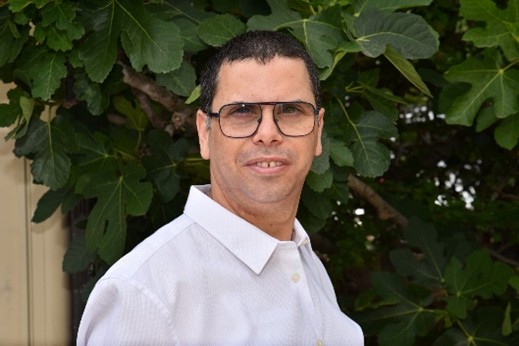
Hen Friman
Session SpeakerSpeaker biography will be updated soon.

Kenneth R. Pelletier
Keynote SpeakerSpeaker biography will be updated soon.

Mariano Votta
Keynote SpeakerSpeaker biography will be updated soon.
Organizing committee members
Conference leadership and organizing contacts currently available in the system.
contact@srcmeetings.com
Bangkok, Thailand
Nearby attractions will be added soon.
International Conference on Public Health, Preventive Medicine & Infectious Diseases
contact@srcmeetings.com
For registration, abstract submission, speaker participation, or venue coordination, email our support team or submit your query through the online contact form.