International Conference on Public Health, Epidemiology & Infectious Diseases (ICPEI 2026)
25–26 June 2026 | Taipei, Taiwan
Theme: “Advancing Global Health: Innovations, Insights, and Impact in Public Health and Infectious Diseases”
“All registered participants of Scientific Research Conferences 2026 will receive a Certificate of Attendance accredited with 10 CPD Credits”.
About the Conference
The International Conference on Public Health, Epidemiology & Infectious Diseases (ICPEI 2026) is a premier global platform bringing together scientists, clinicians, researchers, policymakers, and industry experts to address the most pressing challenges in public health and infectious disease management. This conference offers a unique opportunity to share knowledge, showcase innovative research, and foster international collaborations that drive impactful solutions for global health.
ICPEI 2026 promises an immersive experience with keynote speeches, plenary sessions, workshops, panel discussions, and poster presentations, all designed to inspire innovation, encourage interdisciplinary approaches, and advance evidence-based practices in public health.
Objectives:
- - Present cutting-edge research in public health, epidemiology, and infectious diseases.
- - Facilitate knowledge exchange between global experts, academics, and industry professionals.
- - Promote evidence-based strategies for disease prevention, control, and health promotion.
- - Foster collaboration across institutions, governments, and international organizations.
Aim:
To accelerate advancements in public health and epidemiology by providing a high-impact platform for sharing research findings, practical applications, and innovative solutions that address emerging and re-emerging infectious disease threats globally.
Scope:
ICPHED 2026 encompasses a broad spectrum of topics, including outbreak investigation, pandemic preparedness, global health policy, vaccination programs, antimicrobial resistance, epidemiological modeling, and health informatics.
Registration & Important Deadlines:
- - Early Bird Registration: 20 March 2026
- - Standard Registration: 20 April 2026
- - Abstract Submission Deadline: 30 April 2026
- - Full Paper Submission Deadline: 15 May 2026
- - Conference Dates: 25–26 June 2026
Register early to secure your participation and take advantage of early bird discounts and exclusive networking opportunities.
Main Focus Areas:
- - Epidemiology & Biostatistics
- - Infectious Disease Surveillance & Control
- - Pandemic Preparedness & Response
- - Vaccine Development & Immunization Strategies
- - Antimicrobial Resistance & Global Health Threats
- - Health Policy, Governance & Public Health Leadership
- - Community Health & Preventive Medicine
- - Digital Health & Health Informatics in Disease Management
Key Benefits for Participants & Attending this Conference:
- - Access to global experts, thought leaders, and policymakers in public health.
- - Opportunities for networking, collaborations, and joint research initiatives.
- - Present your work in front of an international audience of peers and industry professionals.
- - Exposure to the latest innovations, technologies, and evidence-based practices.
- - Receive feedback from leading experts to enhance your research and impact.
For Keynote Speakers:
- - Present your insights on global public health challenges to a prestigious international audience.
- - Enhance your professional visibility and influence in global health policy and research.
- - Opportunity to mentor, inspire, and guide future leaders in epidemiology and infectious diseases.
For Regular Speakers:
- - Present your latest research findings in oral or poster sessions.
- - Gain recognition in a high-profile, peer-driven platform.
- - Network with global leaders to explore collaborations, funding, and research opportunities.
For Students & Young Researchers:
- - Present your research and receive mentorship from leading experts.
- - Participate in special sessions, workshops, and poster presentations tailored for emerging professionals.
- - Access career guidance, scholarships, and networking opportunities with top institutions.
Who Should Attend ?
- - Public Health Professionals & Epidemiologists
- - Infectious Disease Researchers & Clinicians
- - Healthcare Policy Makers & Government Officials
- - Medical & Public Health Students
- - Academics, Scientists, and Industry Experts
- - NGOs, International Health Organizations, and Pharma Professionals
Additional Features of This Conference:
- - Interactive panel discussions and roundtables on emerging infectious threats.
- - Hands-on workshops and training sessions in epidemiological modeling and digital health tools.
- - Poster sessions for students and young researchers to showcase innovative projects.
- - Networking events and gala dinner for meaningful professional connections.
Call for Papers:
ICPEI 2026 invites original research, case studies, reviews, and perspectives in all areas of public health, epidemiology, and infectious diseases. Accepted papers will be presented in oral or poster sessions, and authors are encouraged to submit full-length manuscripts for SCOPUS-indexed publication.
SCOPUS Indexing of Full-Length Articles:
All selected full-length papers will be eligible for SCOPUS-indexed journals, ensuring global visibility and recognition for your research. The Article Publication Charges will be applied for SCOPUS indexing of the article.
Honorarium, Accommodation & Travel:
- - Honorarium: For keynote and plenary speakers (if applicable)
- - Accommodation: Specially negotiated rates at nearby hotels for conference delegates
- - Travel Assistance: Support documents available to aid visa and travel arrangements
Registration Fee & Cancellation Policy: Upon confirmation of your participation, the registration fee is due to secure your slot. Please note that all payments are final and non-refundable. However, should you be unable to attend in person, you may transfer your registration to a colleague at no additional cost, or convert your participation to a virtual format to present remotely. Alternatively, your fee can be applied toward the publication of your article in the conference proceedings and associated journals, or held as a credit to be used for any of our future upcoming events.
“All registered participants of Scientific Research Conferences 2026 will receive a Certificate of Attendance accredited with 10 CPD Credits”.
Contact Us:
For inquiries related to registration, submission, sponsorship, or general information:
Email: infectiousdiseases@srcconferences.org, epidemiology@srcconferences.com
Phone: +44 24771 80001
Website: www.srcmeetings.com/
Important Note:
Please note that ICPEI 2026 is organized independently without sponsorship or support from external organizations. Registration fees are primarily used to cover amenities and services provided to registered members, including lunch, snacks, sessions, networking opportunities, and event-related activities. We appreciate your understanding and support.
Preliminary Program
International Conference on Public Health, Epidemiology & Infectious Diseases (ICPEI 2026)
25–26 June 2026 | Taipei, Taiwan
Theme: Advancing Global Health: Innovations, Insights, and Impact in Public Health and Infectious Diseases
DAY 1 – 25 June 2026 (Thursday)
08:00 – 09:00 | Registration & Morning Welcome Coffee
09:00 – 09:15 | Opening Ceremony
-
Welcome Address by the Conference Chair
-
Introduction to ICPEI 2026 Theme
-
Acknowledgment of Global Partners & Sponsors
09:15 – 10:00 | Plenary Keynote I
“The Future of Global Public Health: Building Resilience Beyond Pandemics”
A global perspective on transforming health systems through innovation, prevention, and cross-border collaboration.
10:00 – 10:45 | Plenary Keynote II
“Epidemiology in the Digital Age: Data, Detection & Real-Time Response”
A forward-looking keynote exploring modern epidemiology powered by AI, big data, and digital health infrastructure.
10:45 – 11:00 | Networking Tea Break
SESSION BLOCK 1 (11:00 – 12:30)
Session 1A: Strengthening Global Health Systems
-
Health system redesign and preparedness
-
Emergency response & risk communication
-
Scaling primary healthcare for equity
Session 1B: Digital Public Health Transformation
-
Telemedicine & virtual care
-
Digital diagnostics & wearable tech
-
National digital health ecosystems
Format: 3 invited talks + interactive Q&A in each track
12:30 – 13:30 | Lunch Break
SESSION BLOCK 2 (13:30 – 15:00)
Session 2A: Emerging & Re-Emerging Infectious Diseases
-
Zoonotic spillover
-
Vector-borne disease expansion
-
Climate-linked pathogen evolution
Session 2B: Health Policy, Governance & Evidence-Based Decision-Making
-
Pandemic legislation
-
Public trust & health misinformation
-
Policy evaluation frameworks
15:00 – 15:15 | Networking Tea / Poster Viewing
SESSION BLOCK 3 (15:15 – 16:45)
Session 3A: Genomics & Precision Infectious Disease Control
-
Viral and bacterial genome sequencing
-
Variant tracking & genomic surveillance
-
Targeted treatment protocols
Session 3B: Chronic Disease Epidemiology & Lifestyle Health
-
NCD trends
-
Social determinants of health
-
Community-based prevention
**16:45 – 17:45 | Poster Session I & Rapid Oral Presentations
Top-ranked abstracts present 3-minute mini-talks in a fast-paced format.
18:00 – 19:30 | Welcome Networking Reception
Hosted at Taipei International Convention Center Foyer
Featuring Taiwanese cuisine and cultural experience
DAY 2 – 26 June 2026 (Friday)
08:30 – 09:00 | Morning Coffee & Delegate Networking
09:00 – 09:45 | Plenary Keynote III
“Climate Change & Global Health: Predicting the Next Era of Disease Burden”
09:45 – 10:30 | Plenary Keynote IV
“Biosecurity, Pandemic Preparedness & Future Biological Threats”
10:30 – 10:45 | Tea Break
SESSION BLOCK 4 (10:45 – 12:15)
Session 4A: AI, Big Data & Predictive Analytics in Global Health
-
AI-powered early warning systems
-
Machine learning disease forecasting
-
Outbreak analytics
Session 4B: Maternal, Child & Adolescent Health
-
Early childhood interventions
-
Adolescent mental health
-
Maternal mortality reduction strategies
12:15 – 13:15 | Lunch Break & Exhibition Visit
SESSION BLOCK 5 (13:15 – 14:45)
Session 5A: Smart Cities & Urban Health Innovations
-
IoT-enabled health monitoring
-
Urban design for disease resilience
-
Air quality & environmental health
Session 5B: Vaccines, Immunization & Herd Protection
-
Next-gen vaccines
-
Tackling vaccine hesitancy
-
Innovations in immunization program design
14:45 – 15:00 | Tea Break
SESSION BLOCK 6 (15:00 – 16:30)
Session 6A: One Health Integration & Antimicrobial Resistance (AMR)
-
Human–animal interface
-
Environmental reservoirs
-
Global AMR strategies
Session 6B: Mental Health & Global Well-Being in the Post-Pandemic Era
-
Digital mental health tools
-
Community support models
-
Burnout & workplace mental health
16:30 – 17:15 | Closing Keynote
“Public Health 2030: Innovations That Will Redefine the Future of Global Well-Being”
17:15 – 17:40 | Awards & Closing Ceremony
-
Best Poster Award
-
Young Researcher Award
-
Excellence in Public Health Leadership Award
17:40 | Conference Concludes
Delegates may join an optional city tour of Taipei.
Conference sessions
Browse the current session list for International Conference on Public Health, Epidemiology & Infectious Diseases.
Paediatric Infectious Diseases and Public Health: Strategies for Prevention and Population-Level Outcomes
This session focuses on the prevention, control, and public-health management of infectious diseases affecting children. Emphasis will be placed on vaccination strategies, surveillance systems, health equity, and policy-driven interventions that improve child health outcomes at the population level.
Optimization Problems in Eye, Vision, and Ophthalmic Systems
This session explores optimization techniques applied to eye health, vision science, and ophthalmic technologies. It focuses on how mathematical modeling, computational optimization, and artificial intelligence can improve diagnosis, treatment planning, imaging, and device design in ophthalmology.
The session aims to bridge applied mathematics, engineering, and clinical vision research.
The Future of One Health: Integrating Human, Animal & Environmental Health
A holistic session exploring zoonotic spillover prevention, integrated surveillance, antimicrobial resistance, food safety, and environmental stewardship.
Why it matters today:
70% of emerging infectious diseases originate from animals.
Why highlighted at ICPEI 2026:
One Health is the global framework for preventing future pandemics.
Smart Cities & Urban Health Innovations
Exploring IoT-enabled health systems, real-time environmental sensing, smart mobility, disease-resilient urban planning, and using AI to design healthier cities.
Why it matters today:
Two-thirds of the world’s population will live in cities by 2050.
Why highlighted at ICPEI 2026:
Taipei is a global model for smart city innovation.
Biosecurity, Pandemic Preparedness & Future Threat Scenarios
A forward-looking session examining synthetic biology risks, laboratory biosafety, bioterrorism, gain-of-function debate, and global biosecurity governance. It includes scenario planning for future pandemics.
Why it matters today:
The next pandemic is not a question of “if” but “when”.
Why highlighted at ICPEI 2026:
International coordination is essential for future biological threats.
Digital Public Health: Telemedicine, Virtual Care & Remote Monitoring
This session covers telehealth frameworks, remote diagnostics, wearable health devices, mobile health apps, and digital infrastructure for community-level public health delivery.
Why it matters today:
Digital health bridges access gaps and strengthens continuity of care.
Why highlighted at ICPEI 2026:
Asia leads the world in telemedicine adoption and smart health tools.
Genomics, Precision Medicine & the Future of Infectious Disease Control
This session delves into genomic sequencing, pathogen genomics, individualized treatment models, and precision public health. It explores how genome data is transforming outbreak management.
Why it matters today:
Genomic surveillance can identify variants before crises escalate.
Why highlighted at ICPEI 2026:
Taiwan is a global hub for biotechnology and medical innovation.
Climate Change & Health: Predicting the Next Generation of Climate-Driven Diseases
This session examines heatwaves, air pollution, vector migration, water scarcity, and climate-triggered outbreaks. It explores planetary health, climate-resilient healthcare, and mitigation strategies.
Why it matters today:
Climate change is the biggest long-term health threat humanity faces.
Why highlighted at ICPEI 2026:
Taiwan’s climate-responsive planning provides an ideal case study.
AI, Big Data & Predictive Analytics in Global Health Surveillance
This session focuses on AI-driven outbreak detection, machine learning models for disease forecasting, predictive epidemic modeling, and digital epidemiology. Topics include real-time dashboards, health informatics, and early-warning systems powered by big data.
Why it matters today:
AI is becoming essential for rapid response and precision public health.
Why highlighted at ICPEI 2026:
The conference emphasizes future-ready tools reshaping healthcare.
Vaccines, Immunization Strategies & Herd Protection
This session explores vaccine development, immunization program design, booster policy evolution, childhood vaccination gaps, and global vaccine equity. It also addresses anti-vaccine movements and strategies for restoring public trust.
Why it matters today:
Vaccine hesitancy is now considered one of the top 10 global threats.
Why highlighted at ICPEI 2026:
Future pandemics will require rapid, trusted immunization systems.
Mental Health, Stress, and the Post-Pandemic Global Burden
Mental health challenges surged worldwide after COVID-19, with rising rates of depression, burnout, anxiety, and suicide. This session examines interventions, digital mental health tools, workplace mental health, and community support frameworks.
Why it matters today:
Mental health is now recognized as a global crisis requiring urgent coordinated action.
Why highlighted at ICPEI 2026:
Holistic public health must integrate mental health as a core pillar.
Maternal, Child, and Adolescent Health: Safeguarding Future Generations
This session covers maternal mortality reduction, immunization programs, early childhood development, adolescent mental health, and reproductive health rights. It also addresses health inequalities and access barriers.
Why it matters today:
Millions of children still lack essential vaccines and maternal deaths remain unacceptably high.
Why highlighted at ICPEI 2026:
Global commitments to the SDGs require renewed focus on vulnerable populations.
Chronic Diseases and Lifestyle Epidemiology: The Global Silent Epidemic
Non-communicable diseases (NCDs) such as diabetes, cancer, cardiovascular disorders, and respiratory illnesses remain the world’s leading causes of death. This session explores population-level strategies to reduce NCD burdens through prevention, behavioral interventions, metabolic tracking, and community-wide health promotion.
Why it matters today:
NCDs account for 70% of global deaths, disproportionately affecting low- and middle-income populations.
Why highlighted at ICPEI 2026:
The theme aligns with Taiwan’s strong reputation in preventive medicine and community health.
Public Health Policy and Governance: Evidence-Based Decision-Making for Population Well-Being
Public health successes depend on sound policy, political will, and community engagement. This session analyzes governance frameworks, policy evaluation methods, and how governments can balance scientific evidence, public trust, and socio-economic priorities.
Topics include tobacco control, vaccination mandates, mental health legislation, pandemic readiness frameworks, and multisectoral health strategies.
Why it matters today:
Ineffective policies—or delayed responses—can lead to catastrophic consequences, as seen during pandemics and environmental health crises.
Why highlighted at ICPEI 2026:
The conference aims to strengthen the policy–science interface for future global health leadership.
Infectious Diseases in a Changing World: Emerging, Re-Emerging, and Neglected Pathogens
Human mobility, environmental disruption, and microbial evolution have led to a surge in emerging and re-emerging infectious diseases. This session delves into major global threats including zoonotic diseases, vector-borne infections, fungal pathogens, waterborne outbreaks, and neglected tropical diseases. Special attention is given to disease hotspots in Asia and the Middle East, climate-linked pathogen spread, and biosurveillance systems.
Why it matters today:
The rise of emerging pathogens like Nipah, Zika, avian influenza variants, and new coronaviruses underscores the urgent need for global preparedness and early detection mechanisms.
Why highlighted at ICPEI 2026:
Taiwan’s strategic global position and strong biosurveillance make it an ideal place to discuss cross-border infectious disease risks.
Epidemiology in the 21st Century: Tools, Methods, and Applications
Modern epidemiology is undergoing rapid evolution, driven by technology, data availability, and scientific innovation. This session presents the latest tools and methods used to track diseases, analyze population health trends, and inform public health policies. Key themes include outbreak analytics, cohort studies, real-time surveillance, advanced biostatistics, GIS and spatial epidemiology, and field epidemiology approaches.
Today’s globalized world has dramatically accelerated the pace at which diseases can spread. Epidemiologists now face new challenges such as globalization, urban density, climate change, and evolving pathogens. This requires new methodological frameworks and cross-disciplinary collaboration.
Why it matters today:
Accurate epidemiological data is the backbone of prevention, forecasting, and rapid decision-making during outbreaks. Without strong epidemiology, public health cannot function effectively.
Why highlighted at ICPEI 2026:
The conference aims to equip professionals with cutting-edge epidemiological capabilities essential for the next decade of global health challenges.
Strengthening Global Health Systems: Strategies for a Resilient Future
In every region of the world, public health systems were stress-tested by the COVID-19 pandemic, revealing critical weaknesses in workforce preparedness, healthcare infrastructure, global resource distribution, and emergency response coordination. This session explores foundational strategies that can make health systems stronger, more adaptive, and capable of sustaining essential operations even in times of crisis. Key topics include universal health coverage, primary care reinforcement, emergency preparedness policies, health financing reforms, and integration of public health with digital health ecosystems.
A resilient health system is not merely one that survives crises but one that anticipates, absorbs, adapts, and transforms when under pressure. As climate disasters, population aging, antimicrobial resistance, and chronic disease burdens intensify, building resilience has become a global priority. This session highlights real-world models from Asia, Europe, and Africa that demonstrate how system redesign can increase health equity, reduce mortality, and ensure continuity of care.
Why it matters today:
The world now recognizes that strong health systems are fundamental for national stability, economic growth, and societal well-being. Weak systems amplify mortality during outbreaks and widen disparities in vulnerable communities.
Why highlighted at ICPEI 2026:
Taiwan is globally recognized for its efficient, highly responsive national health system—making Taipei the ideal host for a global dialogue on future-proofing public health infrastructure.
Infectious Diseases in the Modern Age: Emerging, Re-Emerging & Neglected Threats
Understanding Global Disease Dynamics in a Changing World
The landscape of infectious diseases is rapidly evolving. New pathogens are emerging, old pathogens are resurfacing, and many neglected diseases persist in vulnerable communities. This session provides a deep analysis of emerging trends: zoonotic viruses, vector-borne diseases expanding due to warming climates, drug-resistant infections, and the resurgence of diseases once controlled through vaccination.
We will explore how globalisation, migration, agricultural practices, biodiversity loss, and healthcare inequities shape disease transmission patterns. The session also evaluates policy frameworks, vaccination strategies, cross-border cooperation, and One Health methodologies linking human, animal, and environmental health.
This topic is critical because infectious threats do not respect borders. The world saw how a local outbreak can become a global pandemic in weeks. Understanding disease evolution, transmission pathways, and risk factors is essential for developing stronger prevention and response strategies.
Why ICPEI 2026 is highlighting this topic:
ICPEI exists to bridge scientific understanding with real-world policy action. By examining the drivers of infectious disease threats, the conference pushes forward global dialogue on integrated, sustainable, and science-driven solutions. This session empowers researchers, clinicians, and policymakers to anticipate threats before they escalate.
Epidemiological Surveillance & Early Warning Systems: The Next Generation
Harnessing Digital Intelligence, Real-Time Analytics & Global Data Networks
Disease surveillance has entered a new era. Traditional reporting methods are no longer fast enough to detect outbreaks before they spread. The new frontier lies in digital epidemiology—AI-driven pattern recognition, genomic surveillance, wastewater monitoring, climate-linked predictive models, and citizen-generated data from mobile health tools.
This session examines how next-generation surveillance can detect early signals of infectious disease threats, including zoonotic spillovers, antimicrobial resistance patterns, travel-related outbreaks, and climate-sensitive diseases. We explore case studies from Taiwan, Singapore, Europe, Africa, and the Americas to demonstrate the transformative impact of integrated early warning systems.
The world needs this now more than ever. The frequency of outbreaks is increasing due to urbanisation, global mobility, ecosystem disruption, and climate change. Timely detection is the difference between containment and catastrophe.
Why ICPEI 2026 is highlighting this topic:
Taiwan is a global leader in digital public health, biosurveillance, and rapid-response outbreak management. Bringing global experts together here allows participants to learn practical, scalable, and cost-effective models for implementation in their own countries. This session will shape the future of epidemic intelligence and preparedness.
Public Health Systems Strengthening in a Post-Pandemic World
Building Resilient, Equitable, and Responsive Health Systems for Global Communities
The COVID-19 pandemic revealed the strengths and weaknesses of global public health systems. From overwhelmed hospitals to disrupted supply chains, unequal vaccine distribution, and gaps in community-based health communication, the need for resilient and equitable health systems has never been more urgent. This session explores how nations can rebuild, modernize, and reinforce public health infrastructure to better withstand present and future crises.
We examine critical components of health system strengthening—primary care reinforcement, digital health integration, workforce training, financing models, surveillance systems, and emergency preparedness planning. Special emphasis is placed on community-centred approaches, universal health coverage (UHC), and the role of interdisciplinary collaboration.
This topic is essential today because global health systems face simultaneous pressures: ageing populations, emerging diseases, climate-related health emergencies, antimicrobial resistance, and persistent inequities. A failure to strengthen these systems threatens both national security and economic stability.
Why ICPEI 2026 is highlighting this topic:
Public health transformation requires cross-national dialogue and evidence-based strategies. By bringing policymakers, epidemiologists, clinicians, researchers, and global health leaders together in Taipei—one of Asia’s most technologically progressive cities—ICPEI 2026 provides a platform to advance global resilience and readiness.
Submit your abstract
Mail your abstract to icpei@srcmeetings.com or submit it online using the form below.
Registration details
Registration windows, pricing categories, and key dates for this conference.
Select the active registration option to continue to the registration progress page.
Featured speakers
Keynote, session, and delegate speakers currently associated with this conference.

Tayseer A S Idrees
Session Speaker1.Milk quality, composition, and safety assessment in dairy production systems. 2.Detection and impact of chemical contaminants, preservatives, and antibiotic residues in dairy products. 3.Food safety management syste...

Alejandro Cordova Izquierdo
Session SpeakerSpeaker biography will be updated soon.

El Hadji Seydou Mbaye
Select Speaker TypeSpeaker biography will be updated soon.
Chamila Adikaram
Session SpeakerSpeaker biography will be updated soon.
Li Xiaoguang
Session SpeakerSpeaker biography will be updated soon.

Ragni Kumari
Session SpeakerContact Lenses, Public Health Cataract Management Dispensing Optics Artificial Intelligence in Healthcare Telemedicine Smart Healthcare Systems
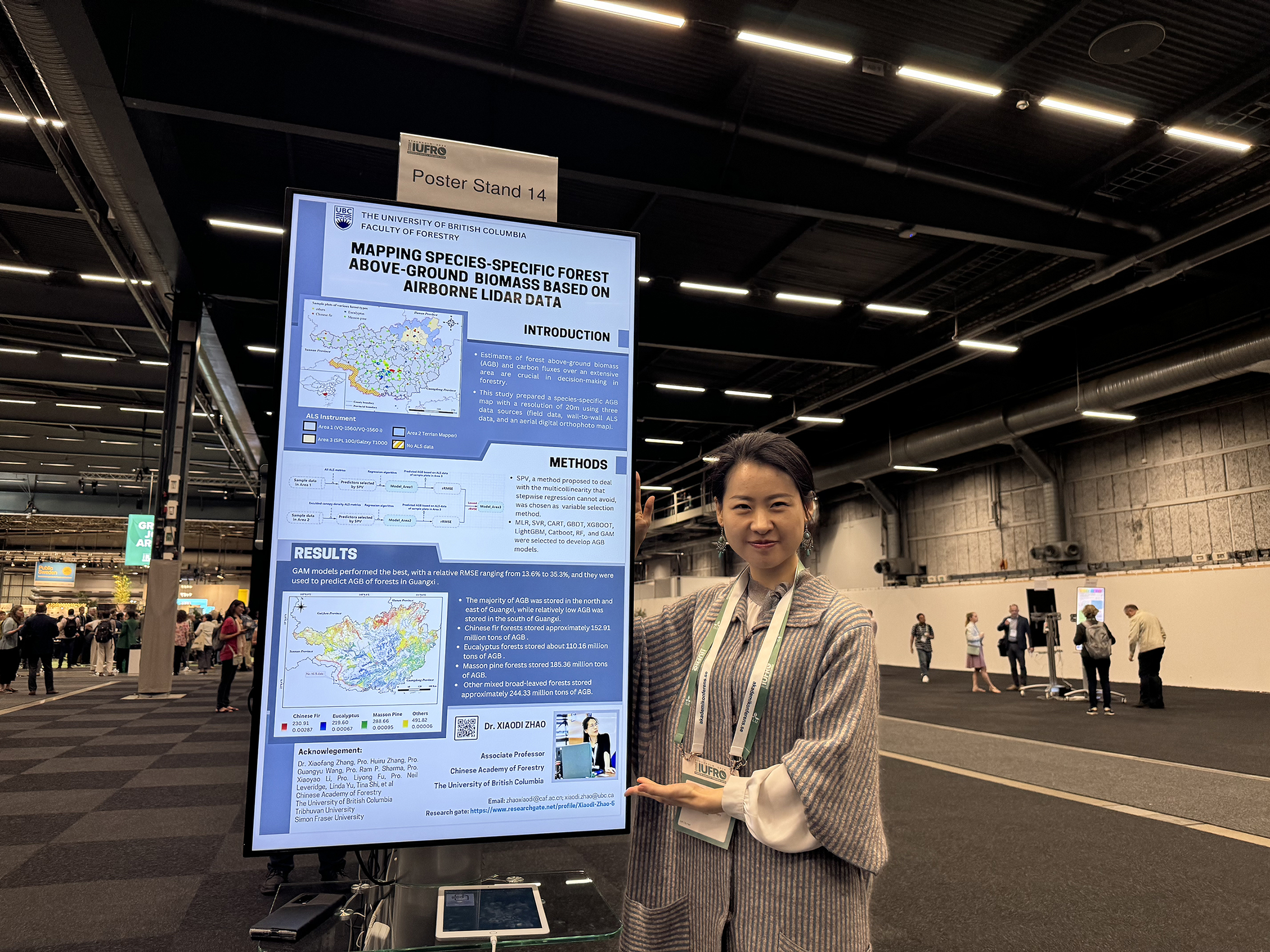
XIAODI ZHAO
Session SpeakerForestry Economics and Policy Forest Carbon Accounting and Climate Policy Ecological and Environmental Economics Forest and Grassland Governance AI Applications in Forest Science Remote Sensing (UAV and Satellite) for...

Bedilu Linger Endalifer
Session Speaker1.Drug therapy optimization in geriatric patients, prevention of antimicrobial resistance, enhancing antimicrobial use, and preventing surgical site infections. 2.Drug therapy and lifestyle approaches in chronic disea...

Paul Andrew Bourne
Session SpeakerSpeaker biography will be updated soon.

Benedicta Neysa Nathania
Session SpeakerClimate-responsive public health systems and epidemiological resilience Environmental determinants of health and planetary health governance Human rights–based approaches to climate and health policy Sustainable finan...

Bardan Marius Vasile
Session SpeakerInterdisciplinary research integrating theology, ethics, and social sciences. Applied psychology and criminology within legal and governance frameworks. Ethical leadership, public policy, and strategic organizational...

Johanna Alvarez Rodriguez
Session SpeakerDigital health interventions and evaluation frameworks Sustainable healthcare systems and health innovation Health psychology and behaviour change models Technology-enabled health promotion in primary care Psychologic...

Rahaf Akel Rajjoub
Session SpeakerNursing education, curriculum development, and innovative teaching strategies Simulation-based learning and clinical skills education Artificial intelligence and digital technologies in nursing education and healthcar...

K M Yacob
Session SpeakerSpeaker biography will be updated soon.

Niema Mohamed
Session Speaker• Medication Use in Reproductive Health • Pharmacotherapy in Pregnancy & Lactation • Family Planning & Contraceptive Safety • Maternal and Child Health • Gender Equity in Healthcare Access • Community Health Education...

Harshavardhan Awari
Session SpeakerAI and Machine Learning for Healthcare Medical Image Analysis and Disease Diagnosis Intelligent Healthcare Decision Support Systems

Divya Saleela
Session SpeakerMedical Image Analysis and Computer Vision (CT, MRI) AI-driven Biomarkers for Respiratory Diseases (COPD, lung imaging) Deep Learning Architectures for Segmentation, Classification, and Diagnosis Ethical, Lightweight,...

Vladimir V. Egorov
Session SpeakerFundamentally New Physical Theory, Quantum-Classical Mechanics and their Applications in Physics, Chemistry, Biology and Biomedicine?
Organizing committee members
Conference leadership and organizing contacts currently available in the system.

Salvador Garcia Lopez
OCMFundamentally New Physical Theory, Quantum-Classical Mechanics and their Applications in Physics, Chemistry, Biology and Biomedicine?
Taipei, Taiwan
Nearby attractions will be added soon.
International Conference on Public Health, Epidemiology & Infectious Diseases
contact@srcmeetings.com
For registration, abstract submission, speaker participation, or venue coordination, email our support team or submit your query through the online contact form.