Carrer del Danubi, 24, 08174 Sant Cugat del Vallès, Barcelona, Spain
-
Keynote Speakers: Renowned experts and thought leaders in gastroenterology.
-
Plenary Sessions: In-depth sessions covering a wide range of gastroenterological topics.
-
Interactive Workshops: Hands-on workshops offering practical insights and skills enhancement.
-
Abstract Presentations: Opportunity for researchers to showcase their latest findings through oral and poster presentations.
-
Networking Opportunities: Engage with peers, establish collaborations, and forge new partnerships.
-
Exhibition Hall: Explore cutting-edge technologies, products, and services in the field of gastroenterology.
-
Social Events: Enjoy networking opportunities in a relaxed and congenial atmosphere.
-
Digestive disorders and diseases
-
Endoscopic procedures and innovations
-
Liver diseases and transplantation
-
Pediatric gastroenterology
-
Gastrointestinal oncology
-
Digestive Health and Wellness
-
Liver Disease
-
Gastrointestinal Surgery
-
Hepatocellular Carcinoma
-
Hepatology
-
Kidney Transplant Surgeons
-
Pediatric Nephrology
-
Hematology
-
- Expand knowledge through access to latest research and trends
-
- Network with professionals and peers globally
-
- Develop skills through workshops and seminars
-
- Receive feedback on research and ideas
-
- Publish and enhance academic or professional visibility
-
- Gain inspiration from keynote speakers and experts
-
- Explore diverse perspectives and practices
-
- Stay updated on industry developments and advancements
-
- Enhance career opportunities and professional growth
-
- Foster personal growth and well-being through engagement
International Conference on Gastroenterology
Venue: Holiday Inn Barcelona Sant Cugat
Carrer del Danubi, 24, 08174 Sant Cugat del Vallès, Barcelona, Spain
Dates: 25 April, 2025 (Physical); 26 April, 2025 (Virtual)
Day 1 – 25 April, 2025
Keynote Sessions:
Time: 09:30 AM – 10:30 AM | Keynote Speaker – Oral Presentation |
Name: Merab Kiladze - American Hospital Tbilisi, Ushangi Chkheidze, Tbilisi, Georgia
Abstract Title: Successful Surgical Treatment of Anterior Fusion Implants Injury of the Cervical Esophagus: Two Case Reports
Networking Break & Photo Session (10:30 AM – 11:00 AM)
Time: 11:00 AM – 12:00 PM | Keynote Speaker – Oral Presentation |
Name: Simon Williams - BSc Hons, Independent Researcher, United Kingdom
Abstract Title: Toward an Etiology of Celiac Disease
Delegates:
Name: Francisco Porras Perez - Consultant Gastroenterologist, County Durham and Darlington NHS Foundation Trust
Name: Michelle Tindall - Research Assistant, County Durham and Darlington NHS Foundation Trust
Name: Suzanne Hirst - Clinical Research Nurse, County Durham and Darlington NHS Foundation Trust
Name: Anita Virag- Pharmacology and Drug Safety Research, Gedeon Richter Plc., Budapest, Hungary
Day 2 – 26 April, 2025
Time: 13:30 PM – 14:00 PM (China Time) | Keynote Speaker |
Name: Xueping Huang - Department of Gastroenterology, Fuzhou University Affiliated Provincial Hospital, China
Abstract Title: Series of Clinical Studies on the Eradication of Helicobacter pylori with the Potassium - competitive Acid Blocker- Amoxicillin Dual - Therapy Regimen
Time: 09:30 AM – 10:00 AM (Belarus Time) | Keynote Speaker |
Name: Marakhouski Yury - Department of Internal Medicine, Gastroenterology and Nutrition with training and Advanced Training Courses, Belarus
Abstract Title: The Difference in Metabolic and Chronological Age is Associated with Steatosis and Liver Fibrosis
Conference sessions
Browse the current session list for International Conference on Gastroenterology.
Intestinal Rehabilitation
Intestinal rehabilitation can include nutritional, medical, or surgical techniques to enhance your quality of life. It also allows many people to enjoy a normal, oral diet without the need for intravenous or enteral (tube feeding) nutrition.
Obesity or Bariatric Surgery
This is a medical condition characterized by excess body fat accumulation, to the extent that it may have a negative effect on health. It is typically measured using the body mass index (BMI), which is calculated by dividing weight in kilograms by height in meters squared. Obesity increases the risk of various health problems, including heart disease, diabetes, certain cancers, and musculoskeletal disorders.
Clinical and Diagnostics
The process of identifying a disease, condition, or injury based on the signs and symptoms a patient is having and the patient's health history and physical exam. Further testing, such as blood tests, imaging tests, and biopsies, may be done after a clinical diagnosis is made.
Health and Wellness
Health is the state of complete physical, mental, and social well-being and not merely the absence of disease, or infirmity. Wellness is an active process through which people become aware of, and make choices toward, a more successful existence.
Digestive Disorders
A digestive disease is any health problem that occurs in the digestive tract. Conditions may range from mild to serious. Some common problems include heartburn, cancer, irritable bowel syndrome, and lactose intolerance. Other digestive diseases include: Gallstones, cholecystitis, and cholangitis.
Gallbladder and Biliary Disease
Gallbladder stones are a very frequent condition that typically show no symptoms. Some patients have biliary colic, which is a condition where a gallstone causes temporary blockage of the cystic duct, resulting in sporadic, often intense pain in the right upper quadrant or epigastrium, and occasionally between the scapula. Cholecystitis, an acute inflammation and infection of the gallbladder, develops in the patient if the obstruction of the cystic duct continues.
Epigenetics and Cancer
Epigenetics refers to the changes in gene expression that occur without changes to the DNA sequence itself. These changes can be influenced by various factors, including environmental factors, lifestyle factors, and aging. Epigenetic changes can have significant effects on the development and progression of cancer. In cancer, epigenetic changes can lead to the activation of oncogenes, which promote cell growth and division, or the inactivation of tumor suppressor genes, which normally prevent abnormal cell growth. These changes can contribute to the development and progression of cancer. Recent research has focused on the development of epigenetic therapies for the treatment of cancer. These therapies aim to reverse the epigenetic changes that have occurred in cancer cells, leading to the reactivation of tumor suppressor genes and the inhibition of oncogene activity. Epigenetic therapies may be used alone or in combination with other treatments, such as chemotherapy or radiation therapy. Examples of epigenetic therapies currently in use or under development include DNA methylation inhibitors, histone deacetylase inhibitors, and inhibitors of enzymes involved in chromatin remodeling. These therapies have shown promising results in the treatment of various types of cancer, including leukemia, lymphoma, and solid tumors. Overall, the study of epigenetics in cancer has provided new insights into the mechanisms of cancer development and progression, and has led to the development of new therapeutic strategies for the treatment of this complex disease.
Endoscopy and Interventional Gastroenterology
Addressing endoscopic techniques and interventional procedures, this session explores advancements in endoscopic imaging, therapeutic endoscopy, and minimally invasive treatments for gastrointestinal conditions. Discussions will cover procedural innovations, patient safety considerations, and outcomes research in endoscopic interventions. Endoscopy plays a critical role in diagnosing and treating gastrointestinal diseases, offering minimally invasive alternatives to traditional surgical approaches. By discussing endoscopic advancements and procedural techniques, this session aims to enhance procedural skills among gastroenterologists, improve patient outcomes, and promote the adoption of innovative endoscopic technologies in clinical practice.
Inflammatory Bowel Disease (IBD) Management
This session focuses on IBD management, including Crohn's disease and ulcerative colitis, with discussions on personalized treatment approaches, biologic therapies, and surgical interventions. Discussions will highlight disease monitoring techniques, patient-centered care models, and psychosocial support for IBD patients. IBD is a chronic condition that significantly impacts patients' quality of life, requiring tailored management strategies to achieve remission and prevent disease complications. By sharing clinical outcomes and research advancements, this session aims to refine treatment algorithms, promote shared decision-making between patients and healthcare providers, and improve long-term outcomes for individuals living with IBD.
Therapeutic Innovations in Gastrointestinal Disorders
Addressing therapeutic advancements, this session focuses on pharmacological treatments, minimally invasive procedures (e.g., endoscopic therapy), and surgical interventions for gastrointestinal disorders. Discussions will highlight clinical trials, outcomes research, and novel therapeutic targets in inflammatory bowel disease (IBD), gastroesophageal reflux disease (GERD), and liver diseases. Innovations in therapy aim to improve patient quality of life, reduce treatment-related complications, and achieve better disease management outcomes. By discussing therapeutic breakthroughs and best practices, this session aims to foster collaboration between clinicians, researchers, and pharmaceutical developers to accelerate the translation of research findings into clinical practice and enhance patient care.
Advanced Diagnostic Techniques in Gastroenterology
This session explores cutting-edge diagnostic tools such as endoscopy, imaging modalities (CT, MRI), and molecular diagnostics for gastrointestinal diseases. Discussions will cover advancements in biomarker discovery, precision medicine approaches, and AI-driven diagnostic algorithms. Early and accurate diagnosis is crucial for improving patient outcomes, guiding treatment decisions, and optimizing healthcare resource utilization. By showcasing technological innovations and research advancements, this session aims to enhance diagnostic accuracy, promote interdisciplinary collaboration among gastroenterologists, radiologists, and pathologists, and pave the way for personalized medicine in gastroenterology.
Pediatric Gastroenterology and Hepatology
Addressing gastrointestinal disorders in children, this session examines pediatric-specific conditions such as pediatric IBD, food allergies, and liver diseases. Discussions will cover diagnostic challenges, treatment approaches, and psychosocial impacts on pediatric patients and their families. Pediatric gastroenterology requires specialized care to address developmental considerations and ensure optimal growth and development. By fostering collaboration among pediatricians, gastroenterologists, and allied healthcare providers, this session aims to improve pediatric gastrointestinal health outcomes, advance pediatric gastroenterology research, and enhance care delivery for young patients worldwide.
Nutrition and Dietetics in Gastrointestinal Health
This session focuses on nutritional management strategies, dietary interventions, and lifestyle modifications for gastrointestinal conditions such as celiac disease, irritable bowel syndrome (IBS), and obesity-related liver disease. Discussions will highlight evidence-based dietary guidelines, nutritional support in chronic illnesses, and the role of diet in gut health maintenance. Nutrition plays a pivotal role in preventing and managing gastrointestinal disorders, influencing disease progression and treatment outcomes. By addressing nutritional challenges and promoting dietary education, this session aims to empower healthcare professionals, dietitians, and patients with practical strategies to optimize gastrointestinal health and improve overall well-being.
Functional Gastrointestinal Disorders (FGIDs)
This session explores the pathophysiology, diagnosis, and management of FGIDs, including disorders like functional dyspepsia, irritable bowel syndrome (IBS), and functional constipation. Discussions will cover symptom-based management strategies, dietary interventions, and the role of psychological factors in FGID etiology. FGIDs are common and can significantly impact patients' quality of life, necessitating comprehensive approaches that address both physical and psychosocial aspects. By sharing clinical insights and research advancements, this session aims to refine diagnostic criteria, optimize treatment algorithms, and enhance patient-centered care for individuals suffering from FGIDs globally.
Microbiome and Gut Health
Addressing the gut microbiome's role in health and disease, this session explores microbiota composition, microbial metabolites, and their impact on gastrointestinal disorders. Discussions will cover microbiome-host interactions, probiotic/prebiotic therapies, and microbiome-modulating interventions. The gut microbiome influences digestive function, immune response, and metabolic processes, highlighting its relevance to gastroenterology research. By examining microbiome-related research findings and clinical applications, this session aims to advance understanding of microbial contributions to disease pathogenesis, guide microbiome-targeted therapies, and promote personalized medicine approaches in gastroenterology.
Emerging Trends in Gastrointestinal Oncology
This session examines the latest research on gastrointestinal cancers, including colorectal cancer, pancreatic cancer, and liver cancer. Discussions will cover molecular pathways, immunotherapy approaches, and targeted therapies for cancer treatment. Gastrointestinal cancers pose significant health challenges globally, requiring multidisciplinary approaches involving oncologists, surgeons, and researchers. By sharing insights into cancer biology, treatment strategies, and survivorship care, this session aims to advance knowledge in oncology, improve early detection rates, and optimize cancer treatment outcomes through personalized and evidence-based approaches.
Liver Diseases and Hepatology
Addressing liver diseases, including viral hepatitis, non-alcoholic fatty liver disease (NAFLD), and liver cirrhosis, this session examines epidemiology, risk factors, and therapeutic strategies. Discussions will cover liver transplantation advancements, disease progression models, and interventions to mitigate liver damage. Liver diseases represent a significant global health burden, requiring integrated approaches involving hepatologists, transplant surgeons, and researchers. By discussing liver disease prevention, early detection, and management strategies, this session aims to improve liver health outcomes, reduce disease prevalence, and enhance healthcare systems' capacity to address liver-related challenges effectively.
Abstract submission is closed
This conference is archived, so new abstract submissions are no longer accepted.
Registration details
Registration windows, pricing categories, and key dates for this conference.
Archived conferences remain available for review, but new registrations are disabled.
Featured speakers
Keynote, session, and delegate speakers currently associated with this conference.

Bahir Hadi
Session SpeakerSpeaker biography will be updated soon.

Evelyn Inga
Session SpeakerInternal Medicine resident PGY-2, the University of New Mexico July 2023 to present General Surgery resident, the State University of New York – Stony Brook July 2021- July 2023 Medical Doctorate in Peru completed in...

Marakhouski Yury
Session SpeakerDepartment of Internal Medicine, Gastroenterology and Nutrition with training and advanced training courses

Simon H Williams
Keynote SpeakerBroad spectrum research centred on glutamine The mean UK per capita consumption of gluten correlated with various disease prevalence trajectories 1997-2014 and their physiological relationships to gluten Hyper-transgl...
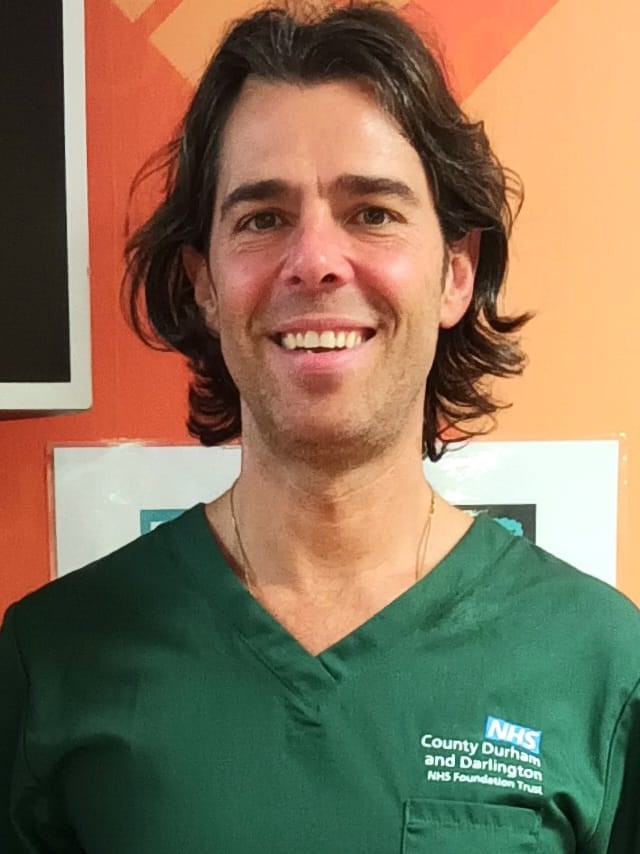
Francisco Porras Perez
Delegate SpeakerSince 2015 I have acted as the Principle Investigator for multiple clinical trials/studies within both Hepatology and Gastroenterology specialities. I lead an effective research team, who consistently meet the demands...

Xueping Huang
Session SpeakerHuang has led and participated in multiple projects funded by the Fujian Provincial Natural Science Foundation and the Fujian Health Commission's Youth Fund. She made breakthroughs in Helicobacter pylori culture and d...

Suzanne Hirst
Delegate SpeakerResearch and Innovation Clinical Research Nurse

Michelle Tindall
Delegate SpeakerAssistant Clinical Research Practitioner
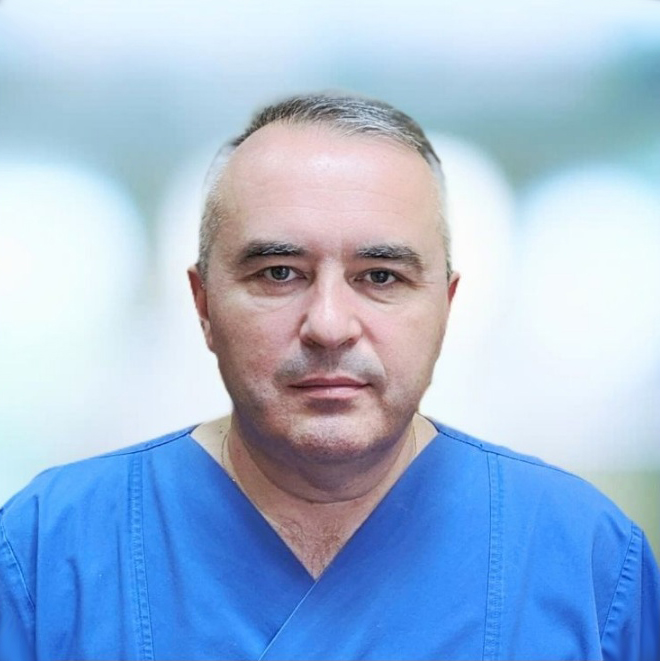
Dr. Fedir Grynchuk
Session SpeakerGeneral Surgery, Emergency Surgery, Gastrointestinal Surgery, Oncosurgery, Diabetes, Diabetic Foot, Obesity, Comorbidity, Sepsis, Surgical Infections, Teaching Surgery to Students etc.

Qin Ting Chen
Session SpeakerShe graduated with M.B.B.S (Honours) from Monash University in Melbourne, Australia in 2018 and completed her internship in Monash Health, Melbourne in 2019.
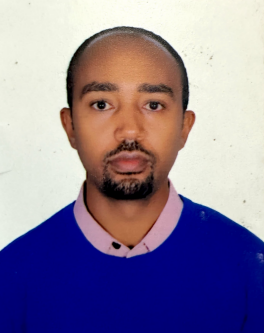
WUDASSIE MELAK SMARE
Session SpeakerExploration Innovative approach Art in Science Problem solving Public speech Team work

Gulsen Meral
Session Speaker--

Merab Kiladze
Keynote SpeakerCage dislocation, Esophageal defect, Pedicled muscle flap

Mohamed Shafi Bin Mahboob Ali
Session SpeakerSpeaker biography will be updated soon.

Hazim Abdul Rahman Alhiti
Session SpeakerResearch Interest Health, Medicine, Surgery, Cardiology, Endovascular, Infection

MariaIsabel Torres Lopez
Session SpeakerAnalysis of molecules involved in immune tolerance in celiac disease, developing in vitro study models
Organizing committee members
Conference leadership and organizing contacts currently available in the system.

Attapon Cheepsattayakorn
OCMAnalysis of molecules involved in immune tolerance in celiac disease, developing in vitro study models

Venugopal Reddy Iragamreddy
OCMAnalysis of molecules involved in immune tolerance in celiac disease, developing in vitro study models
Fedir Grynchuk
OCMAnalysis of molecules involved in immune tolerance in celiac disease, developing in vitro study models

Amosy E M'Koma
OCMAnalysis of molecules involved in immune tolerance in celiac disease, developing in vitro study models
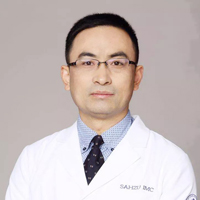
Weihua Gong
OCMAnalysis of molecules involved in immune tolerance in celiac disease, developing in vitro study models
Barcelona, Spain
Nearby attractions will be added soon.
Showcase, partners, and publishing resources
Browse exhibition highlights, sponsor visibility, and supporting journal links for this conference.
Event sponsors
Zhejiang University School of medicine
Amosy Ephreim M'Koma
Related journals
International Conference on Gastroenterology
contact@srcmeetings.com
For registration, abstract submission, speaker participation, or venue coordination, email our support team or submit your query through the online contact form.